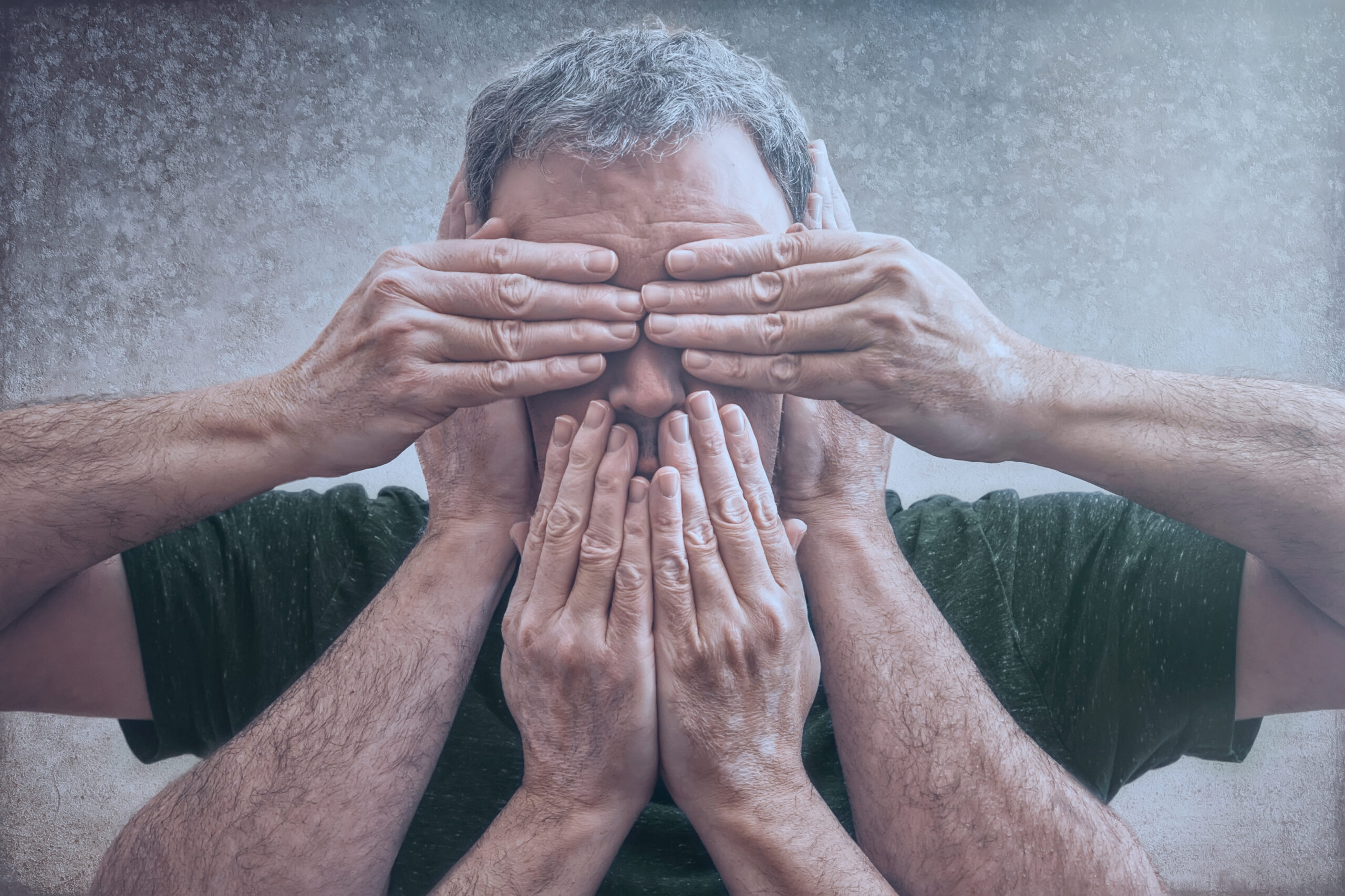
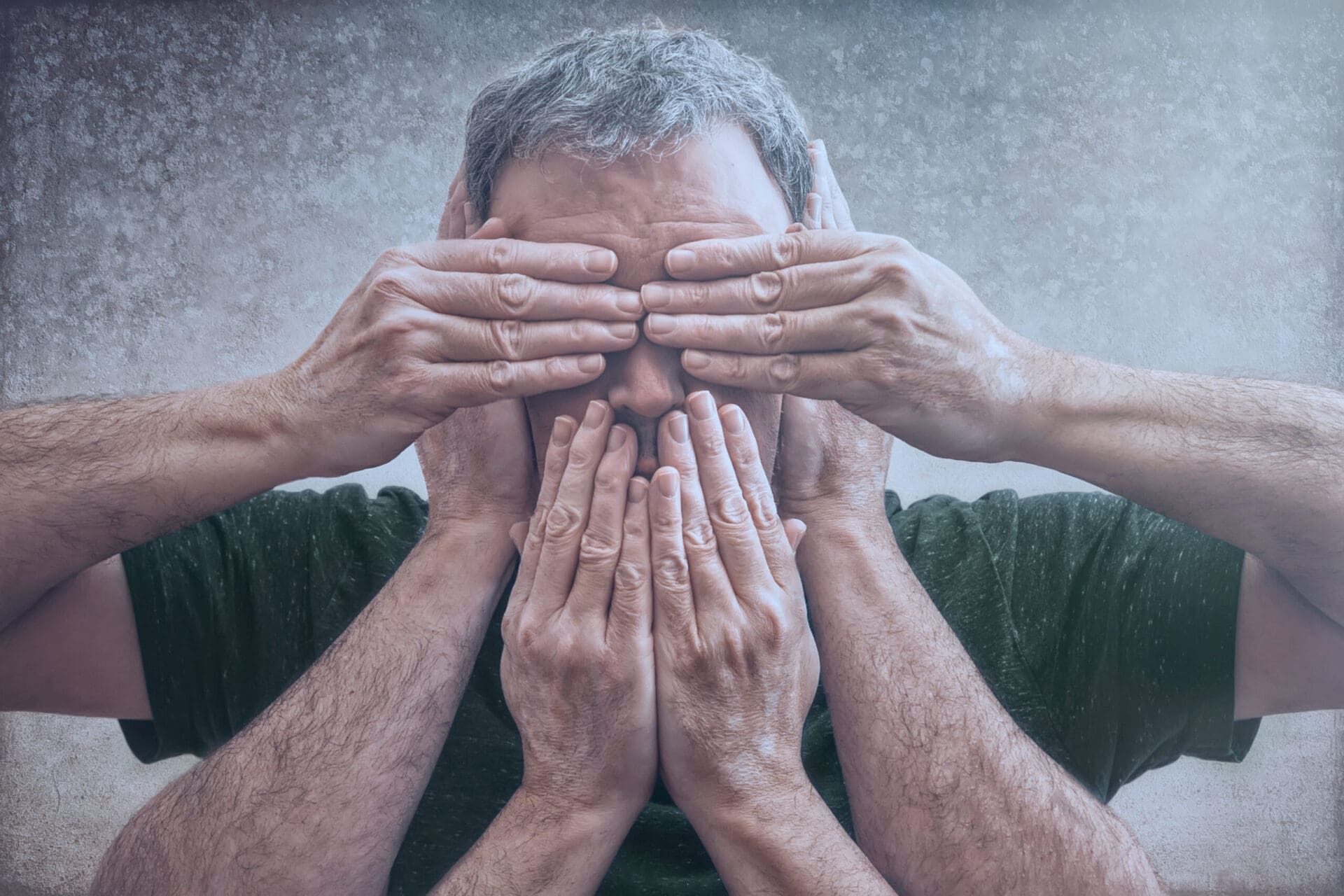
The condition color codes — levels of situational awareness — were conceived by Jeff Cooper decades ago. He opined that much of society perpetually spends their time in Condition White – essentially oblivious to the potential for threat. Some folks (particularly those who have martial arts, firearms, and/or other weapons background) are more likely to operate in Condition Yellow – essentially relaxed, but always mindful of the possibility of a threat materializing. Interestingly, as children, we are often taught to operate in Condition Yellow, always on the lookout for potential threats such as cars coming while crossing the street and being wary of strangers in vans and offers of candy, etc. But as we age, it seems that this conditioning seems to fade as complacency sets in.
In actuality, I would suggest that most people are constantly subconsciously performing periodic risk assessments, but their definition of risk is generally flawed or incomplete. Sure, when using an ATM at night or walking though a deserted parking lot to your car, etc., most (but not all) people move into a heightened state of alertness. The problem is that while they may correctly gauge the potential for risk in those scenarios, they incorrectly gauge the potential for risk in other seemingly less threatening everyday situations.
The person who is hyper vigilant while walking on a deserted street late at night is frequently blissfully ignorant of the risk that something bad might happen while they are in a restaurant. While some folks on this blog have talked about how they always like to have a seat with their back to the wall and conduct a brief assessment of potential exit strategies should something happen, they’re in the distinct minority.
Here’s a simple test: the next time you are out with friends, bring up the question of safety when they go to a hotel. Ask how many of them take a few moments to scout out the emergency exits. Or how many have clothes and necessary items near their bed should a fire alarm sound in the middle of the night.
When you’re on a plane, look around during the safety briefing. How many people are really paying attention? How many actually pull out the safety card out of the seat in front of them and study it? In the event of an emergency, how many would know how to get to the closest exit? How many could successfully convert their seat cushion into a floatation device? How many really understand they need to give that oxygen mask a good tug to start the flow? Not many is my guess.
One hundred and fifty years ago, when many of our ancestors lived in frontier societies, there was no question of carrying firearms and other items when you left the house. There were bad people and dangerous animals about and only a fool would leave their cabin without the means to protect themselves.
Fast forward to today and most people simply don’t believe that there are any credible, immediate threats when they leave their houses. In today’s urban environments, we may read about something bad happening to someone else, but we’re great at rationalizing things and convincing ourselves that those things simply can’t happen to us. Until they do.
It’s this abrogation of personal responsibility for one’s own safety that has gotten us to where we are today. As a society, many of us don’t feel that it’s up to us to protect ourselves. An offshoot of this way of thinking is how we are never at fault when something happens to us – today we are all victims, but that’s a topic for another day.
We pay taxes to have people like police and fire fighters whose job it is to protect us, so why should we have to do it ourselves? Question: how many of your friends have fire extinguishers within easy reach in their homes? How many have fully-stocked first aid kits in their homes, cars, and place of business? How many have a reserve supply of food and water for even a few days should there be a disruption or disaster such as hurricane/blizzard/ice storm/earthquake, etc?
The simple fact is most of our fellow sheep citizens simply don’t believe that something bad could actually happen to them and as such, they make no effort to prepare for it. Furthermore, preparing makes us face the reality that there is a possibility that something bad actually could happen and we don’t like to think that way. So we avoid it.
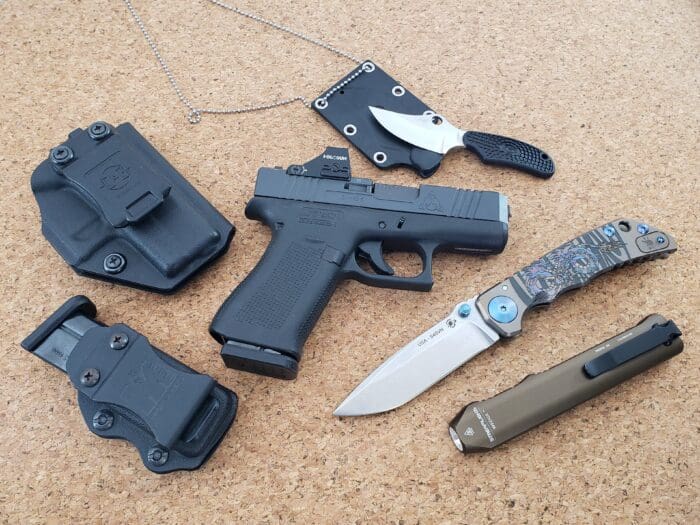
I’m one of those people who never had a problem with firearms, but until not very long ago, I simply didn’t own any. Neither did my parents until a hurricane was headed towards Houston a few years ago. And in the aftermath of Katrina, my father decided that it would be a good idea to have a couple of guns in the house just in case someone decided to try to take advantage of the situation.
In fact, the catalyst for me getting my first gun was a visit to see him and, at 82 years of age, he decided he wanted a semi-automatic pistol to complement the revolver and shotgun he already owned. I figured if he could get one, then dammit, so could I.
My wife wasn’t thrilled with the idea. We have two young children and the idea of guns in the house is not something she was comfortable with. We’ve reached an accommodation, but it necessitates my guns being locked up. I can pretty much forget about home carry as the kids don’t even know the guns exist. At 6 and 5, keeping things under their radar is pretty easy, but that will change as they got older.
I have a pistol in a safe in my bedroom, but my wife simply prefers not to think about it and it’s not a subject for discussion. Before I get the inevitable questions and helpful suggestions, let me say that my wife has shot guns before. She just didn’t like it. Also, anyone who is married will tell you that simply trying to put my foot down on a matter such as this – something she feels strongly about – is an invitation for trouble of the lawyer/divorce/custody hearing kind. Not someplace I want to go. So I live with the compromise and bide my time in hopes that she gets more comfortable with the whole thing.
She’s also the sort of person who looked at me a little funny as I started to stockpile a modest supply of food and water for us should there be a problem. She was bemused when I purchased a couple of fully stocked disaster “go bags” to keep in the cars just in case. I’m far from a full-fledged “prepper,” but my neck of the woods is subject to power outages due to weather, so having a week’s worth of supplies doesn’t seem like such a bad idea.
She also didn’t initially see the need for a generator until the first winter that took out electricity for a few days, also killing the pump for our well and depriving us of water. Never mind heat and light. Now she thinks it’s a good idea.
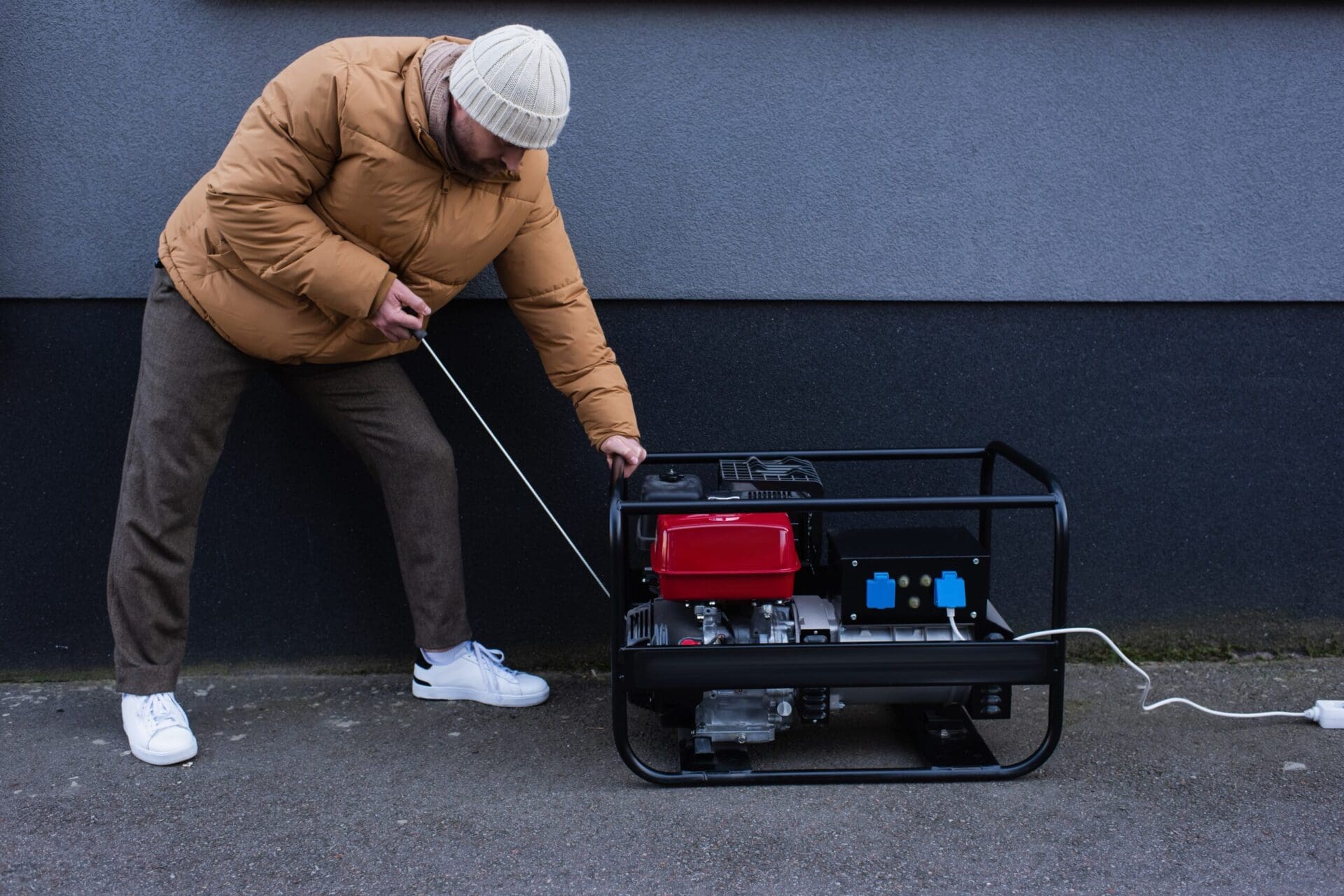
Unfortunately, she’s like many others who only learn the value of preparation after something happens. A power failure is usually pretty innocuous – inconvenient, yes, but not typically a life-changing event. Other things could happen that might fall into that latter category and it seems that it would be foolish to wait for them to happen before learning the value of being prepared.
Prior to 9/11, many people would have resisted the idea of armed pilots, but following that tragedy, the idea gained a lot more support by the flying public. I don’t relish the idea of something similarly tragic happening to change her world view.
The fact is that strongly pro-gun people are still outnumbered by the population of anti-gunners and the ambivalent. As long as that remains the case, we’ll continue to see people put their faith in things like gun violence restraining orders and gun-free zones. And as long as the majority of society seems bound and determined to operate in Condition White, things aren’t likely to change.