I’ve been having a tough time with audience approval of my choices for obscure objects of desire. Either they’re not desirable at all, or they’re not obscure enough for a lot of you. Maybe this time, I’ll get it right.
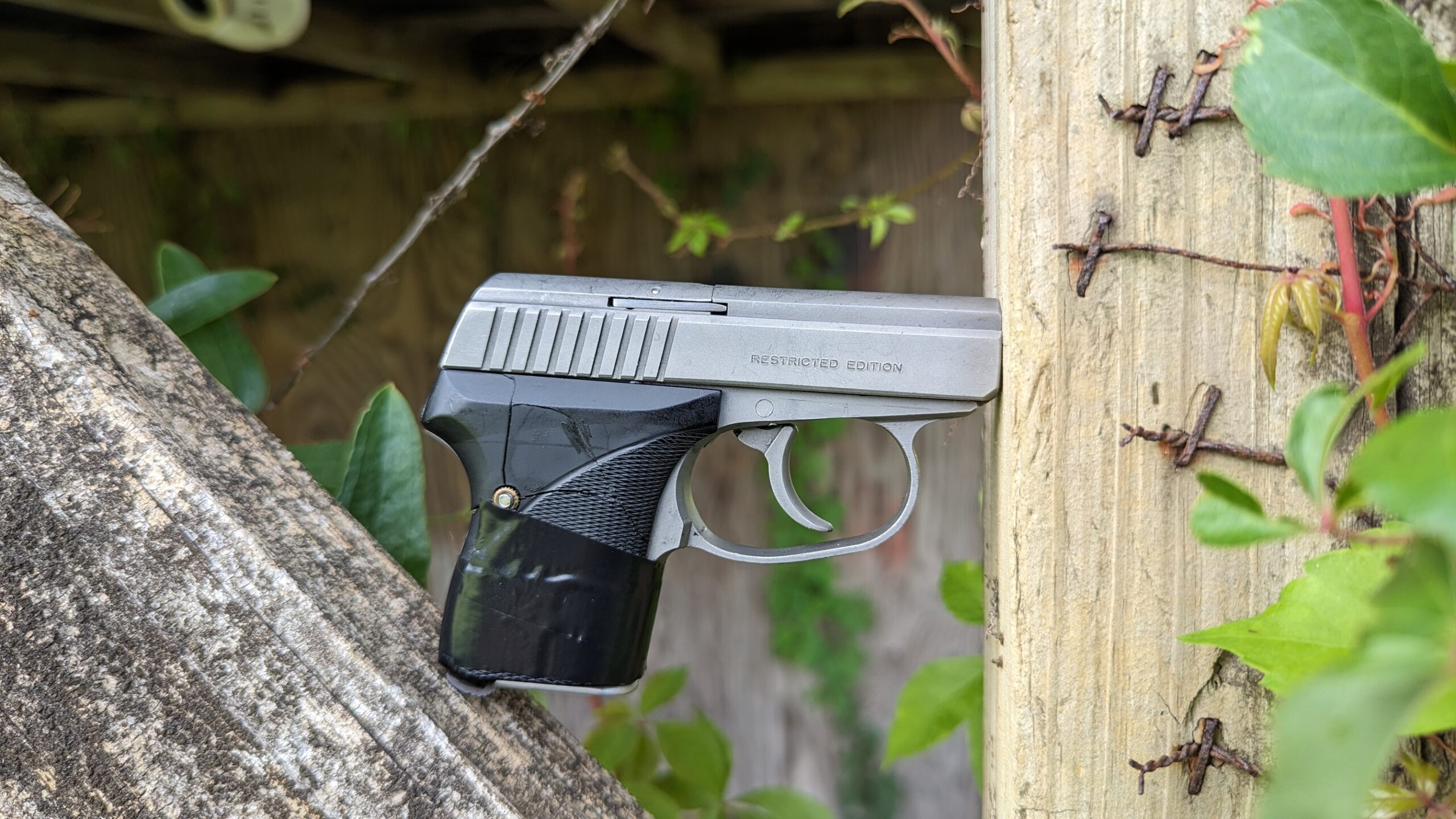
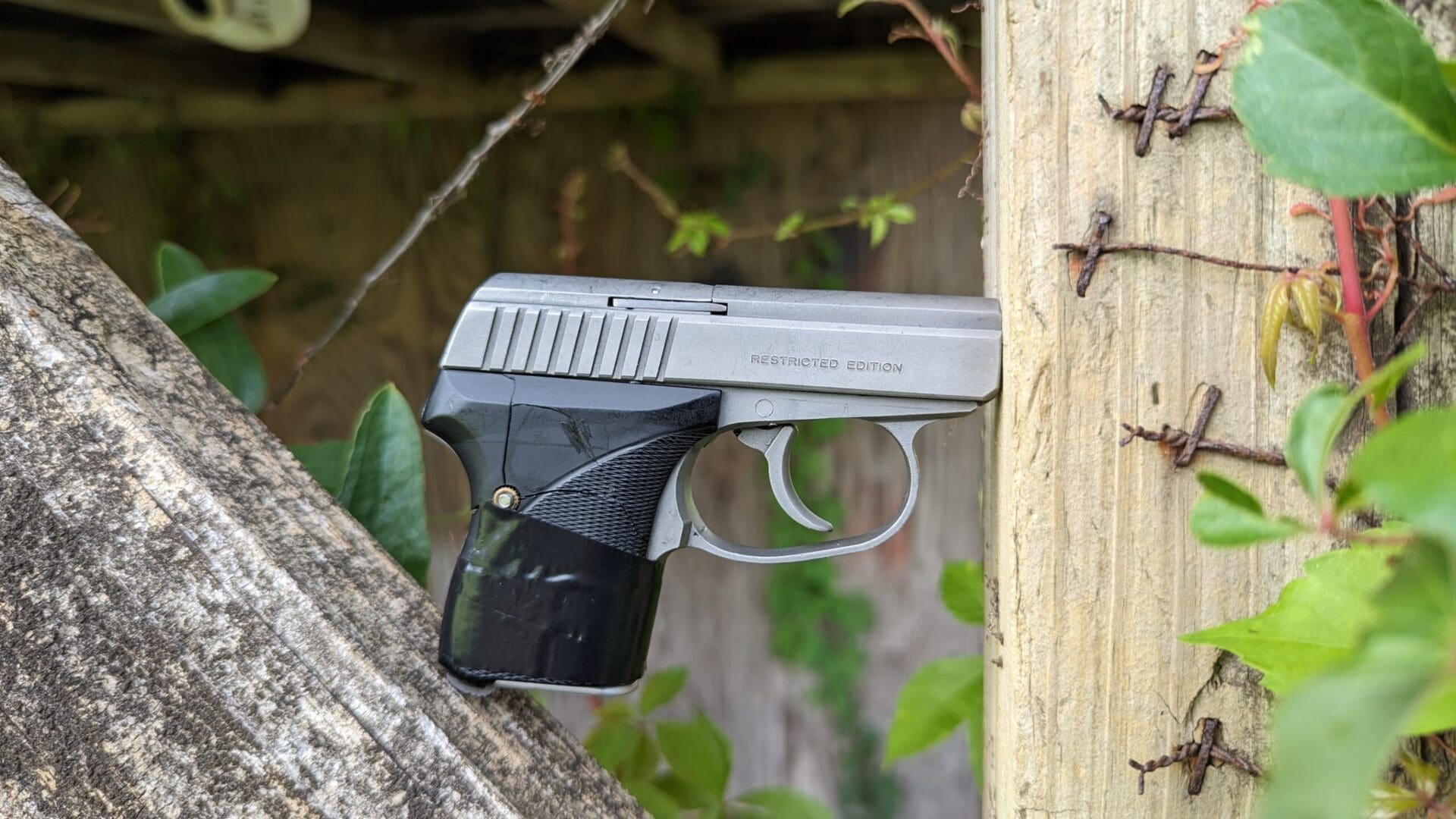
I’ve got a rather unique and pretty damn cool pistol here. Today we’re looking at the Seecamp LWS-25, which is obscure to a point. What makes it even more so are the words ‘Restricted Edition’ stamped on the side.
The World of Seecamp
While most people associate the name Seecamp with the small semi-automatic pistols, Ludwig Seecamp actually got his start with Mossberg. Later he became known for his Seecamp conversions of M1911s, in which he converted them to double-action guns.
It wasn’t until 1981 that the first Seecamp pistol rolled off the assembly line. Well, “assembly line” might be overstating it a bit. Legend has it that Ludwig Seecamp and his son, Larry, built them by hand in a rather small shop.
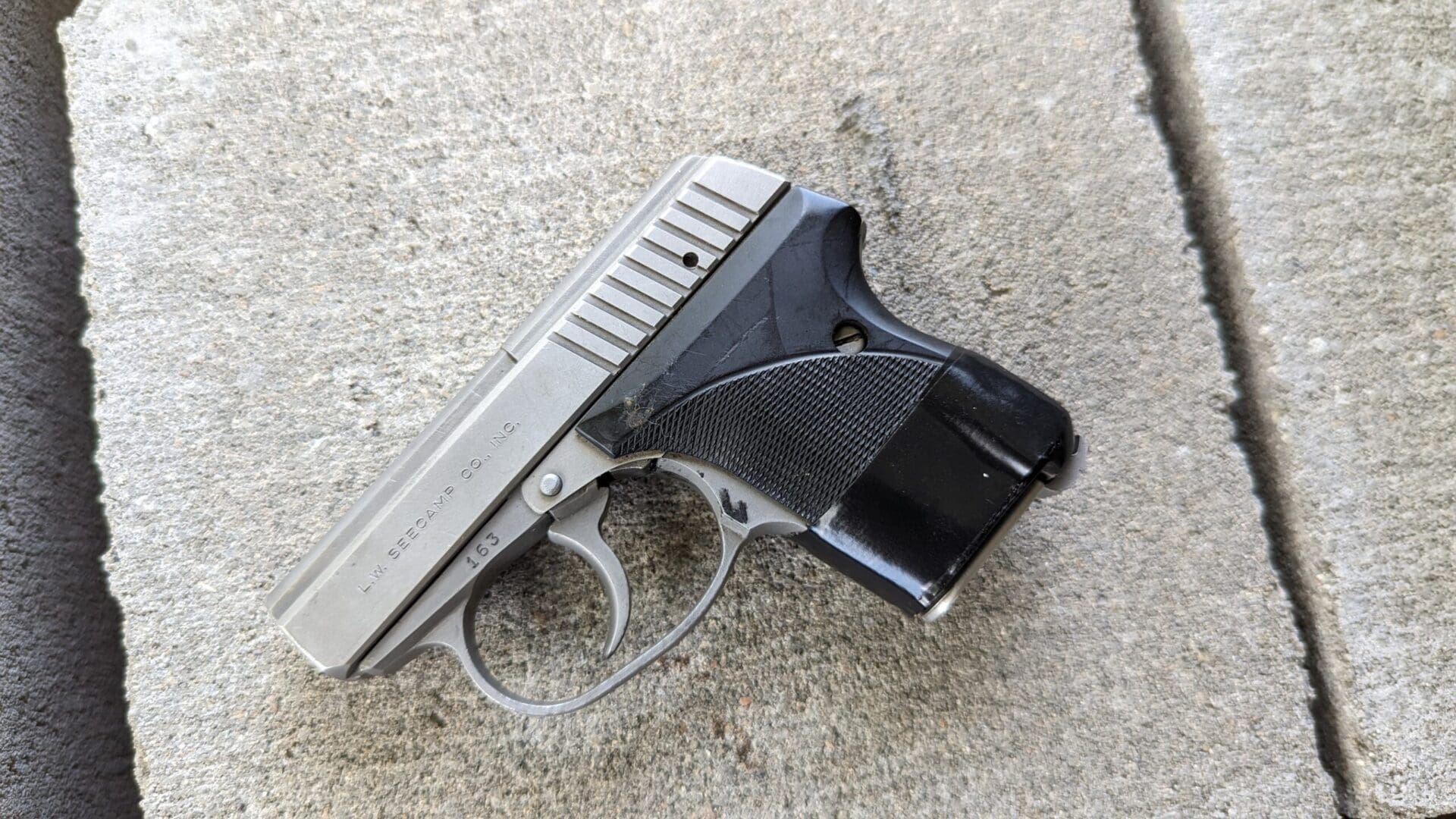
The reason the LWS-25 is somewhat obscure is that it was never made in any great numbers. Most sources say there were fewer than 5,000 ever made. Larry and Ludwig Seecamp were smart fellas and the reason the LWS-25 faded away was that they found a way to produce a gun that was the exact same size in .32 ACP and later in .380 ACP.
The .25 ACP isn’t exactly a capable caliber for self-defense. It has really poor penetration, and very few loads can reach the desired 12 inches of ballistic gel penetration. The .32 ACP and .380 ACP rounds certainly amp up the penetration factor. Who wants a .25 ACP when you could get a .32 ACP?
Recoil isn’t a major factor since the .32 ACP and later .380 ACP versions used an interesting gas-delayed blowback system, but the LWS-25 is a standard straight blowback design.
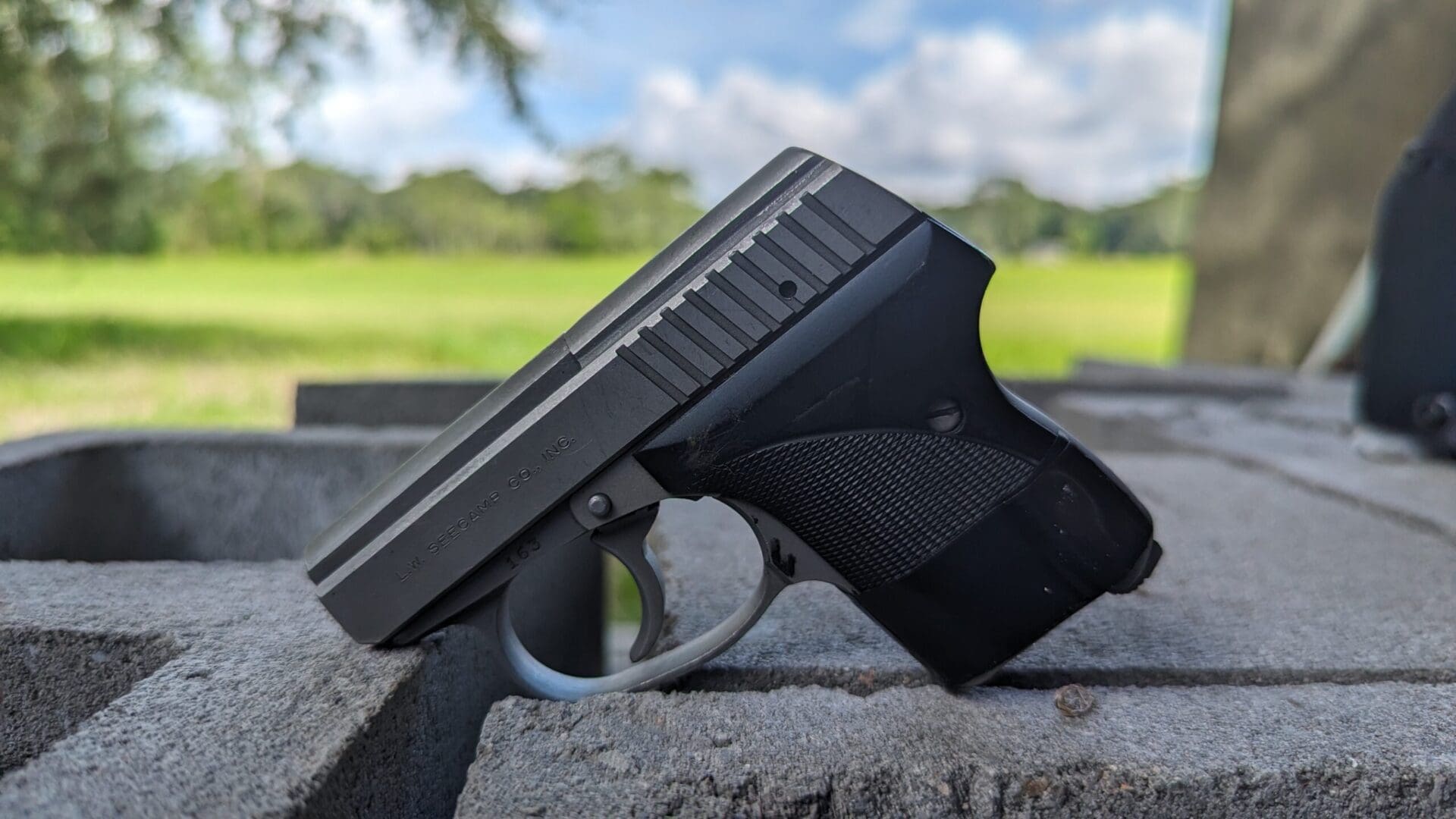
Historical note: the LWS-25 is where Seecamp designed the dual nested recoil springs we see in most handguns today.
The Restricted Edition Guns
Restricted Edition is some kind of limited model for police and military forces. There are a few legends about what this two-word phrase means. One of the stories is that at one point, Seecamp entered into a contract with one distributor to sell the pistols. This contract made it impossible to sell the handguns any other way, but a single clause allowed Seecamp to sell his pistol to friends, family, and existing customers. These were the Restricted Edition pistols. Allegedly.
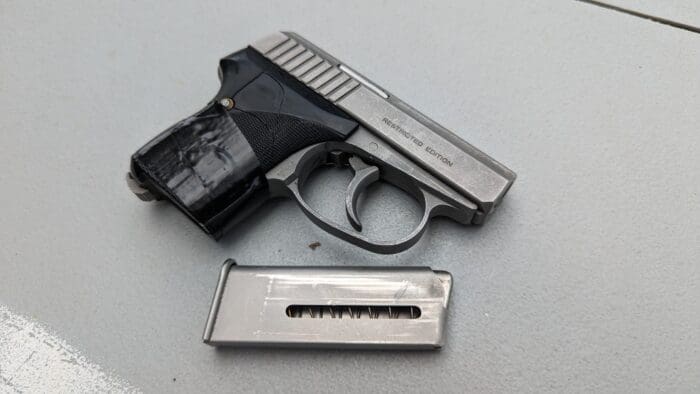
I emailed Seecamp to try to verify the legend. Ludwig has passed away, and Larry Seecamp sold the company almost a decade ago, but the fine folks at Seecamp responded quickly. It’s true that Seecamp entered into a sole distributorship contract, and the Restricted Editions were, in fact, sold to friends, family, and current customers.
What’s in the gray area is that it’s not confirmed that Seecamp sold the Restricted Editions due to the contract. Seecamp created the Restricted Edition models to be special for those close customers and family members, and they were very limited. Only 200 were made and serialized one through 200.
The LWS-25 Desirability
The Seecamp pistols were super popular back in the 1980s. The Gun Control Act of 1968 effectively prohibited high-quality European pocket pistols from being imported and American pocket pistols like the Raven brand weren’t known for their quality. The guns from AMT were better, but not always great. The old-school Baby Brownings were great for their time but hard to come by, and those old striker-fired guns weren’t drop-safe.
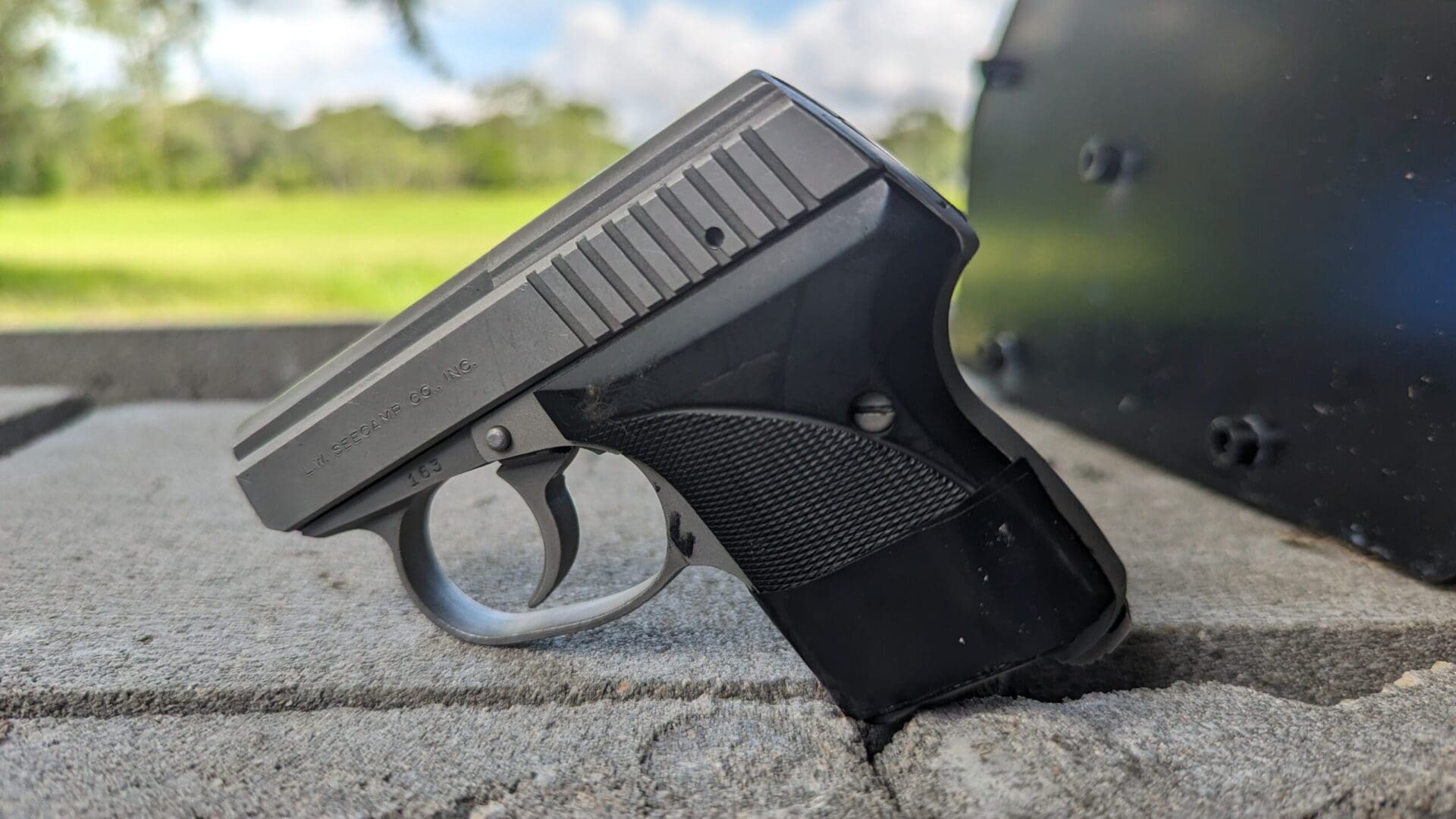
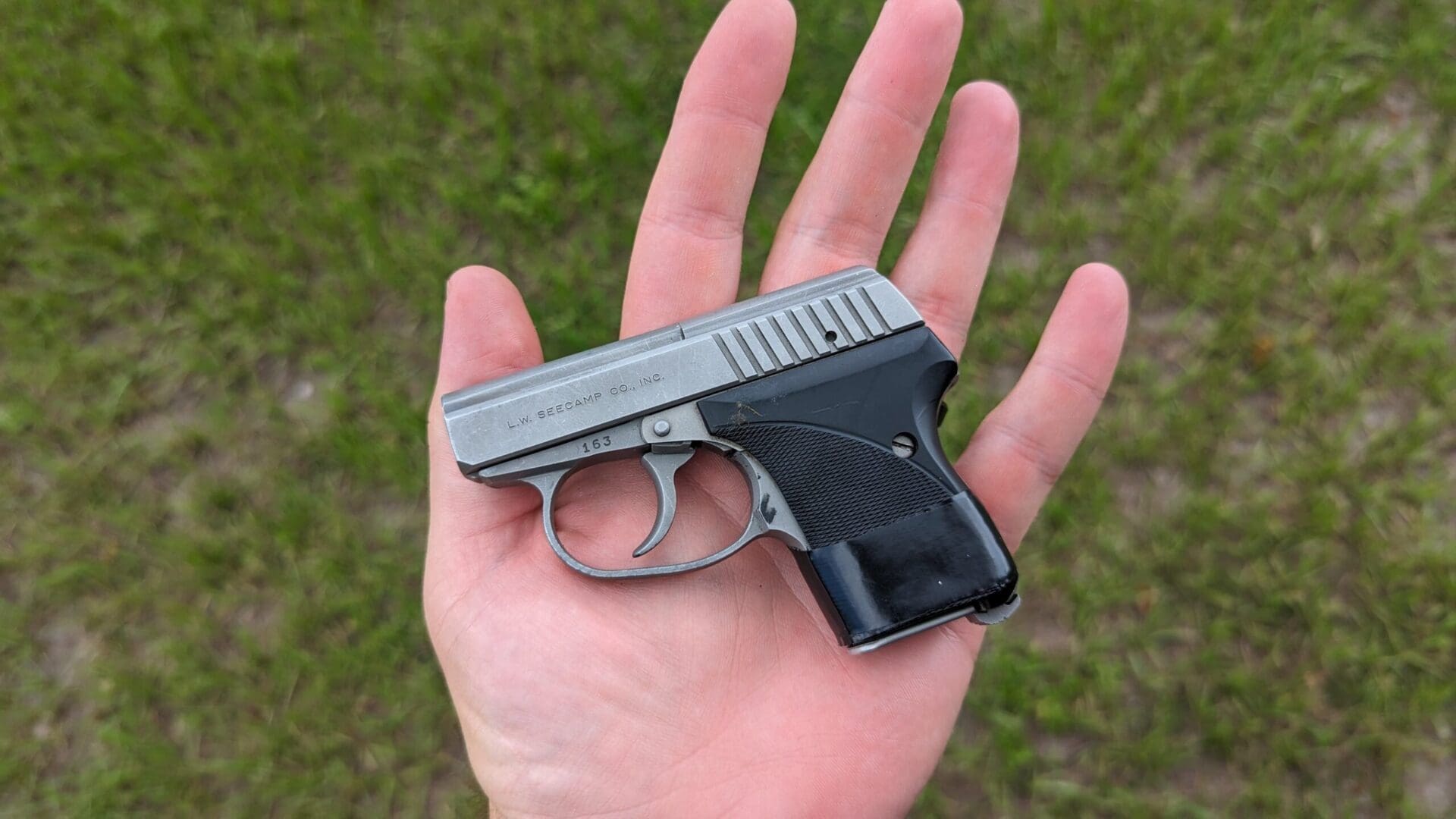
When Seecamp released this crazy-small pistol, it took the market by storm and people gobbled them up. It was pocket-sized, reliable, and incredibly well-made.
The DAO design was drop-safe and people liked their hammer-fired guns in the 1980s. This design was considered by many to be the ultimate pocket pistol, even more so when the .32 ACP version came along. The smooth, snag-free design was ahead of its time and still makes the little gun ultra-desirable.
In fact, people bought them faster than Seecamp could make them. Their price on the secondary market was insane. Fellow gun writer Mike Searson was around in those days and explained that these Seecamps were going for triple their retail price, often well over a thousand dollars. A second-hand Seecamp would cost more than a brand-new Colt Python.
In 2023 the LWS-25, and especially the LWS-25 Restricted Editions are still sought-after by pocket pistol aficionados and Seecamp fans.
At the Range
I’d like to say I won’t shoot this gun much because it’s such a collector’s item, but in reality, I won’t shoot it much because .25 ACP is really expensive. That said, I enjoyed my range time with the Seecamp. Even though it’s straight blowback operated, the recoil is very mild. Muzzle rise isn’t bad, and it won’t leave your hand sore.
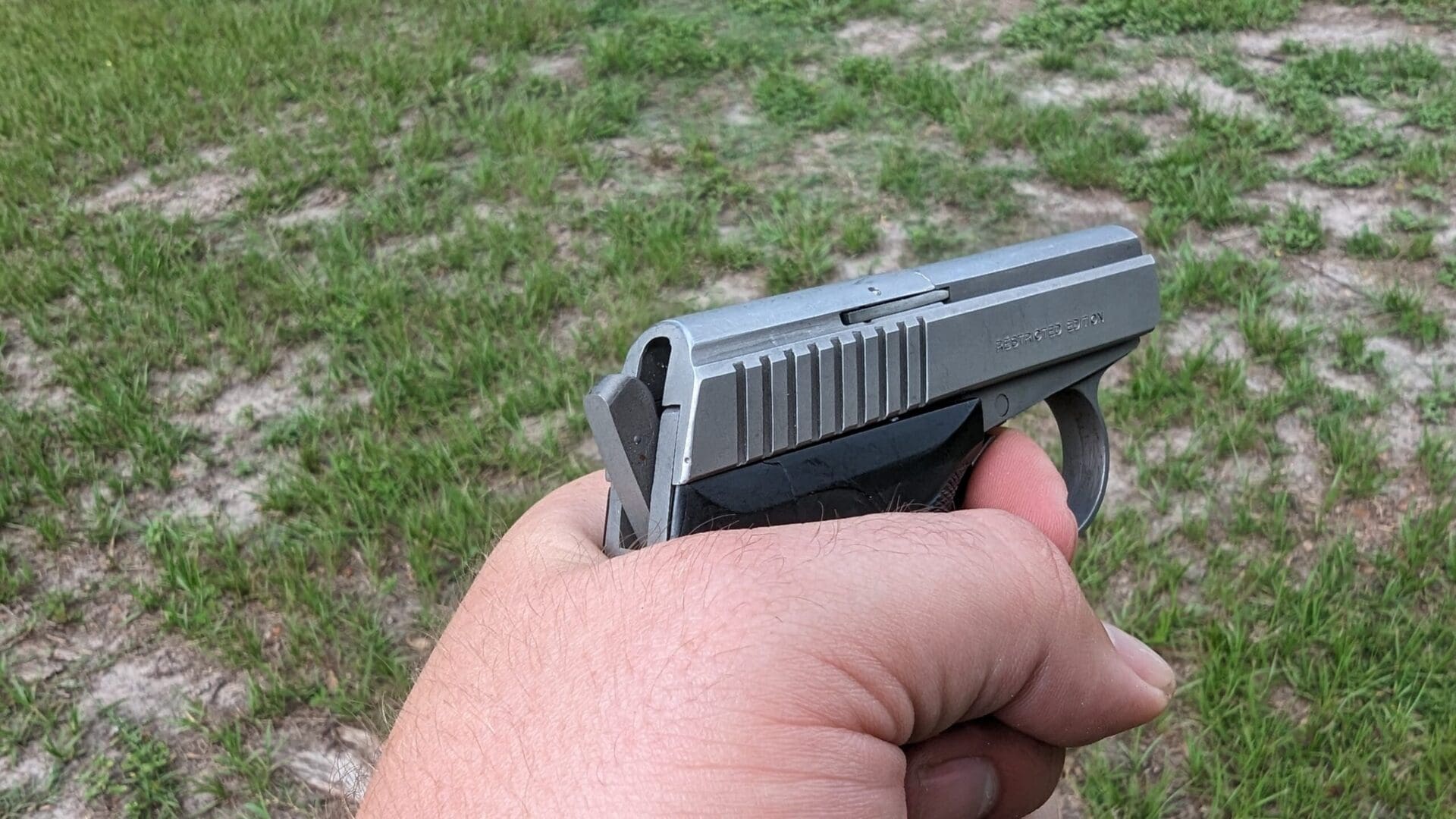
It’s super reliable and functions flawlessly. The double-action only trigger pull heavy at about 12-ish pounds. However, it’s very smooth…impressively so. You can operate it quite quickly with very little practice.
As small as it is, the Seecamp lacks sights, so it’s a bit of guesswork of where it hits. The gun is designed for up-close-and-personal self-defense. With a little practice, I was hitting my target in a hand-sized group at seven yards (I wear 2XL-sized gloves).
The LWS-25 is most certainly not a point-and-shoot gun. I think with a good bit of practice I could get better, especially once I find a good point of reference on where exactly to aim. I was often hitting low and tried to figure out exactly how to orient the gun. I don’t quite have it down yet, but if I get a raise, I’ll buy more ammo and work on figuring it out.
Overall, while the Seecamp pistols aren’t all that obscure, this particular edition certainly is. Are they desirable for everyone? Maybe not, but to me, it’s a bit of concealed carry history. I can at least say they were very desirable when they first came out, enough to warrant their huge resale value.