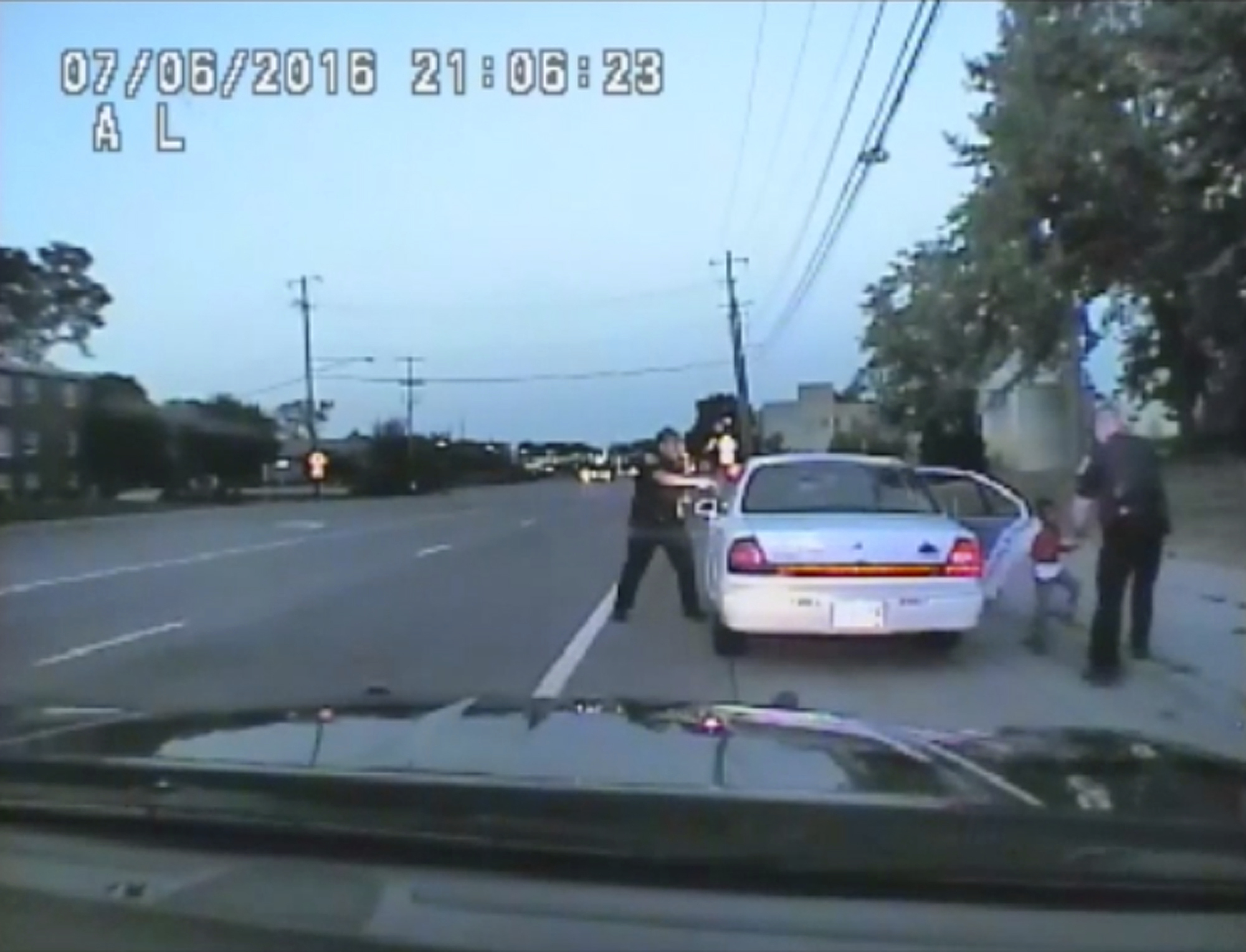
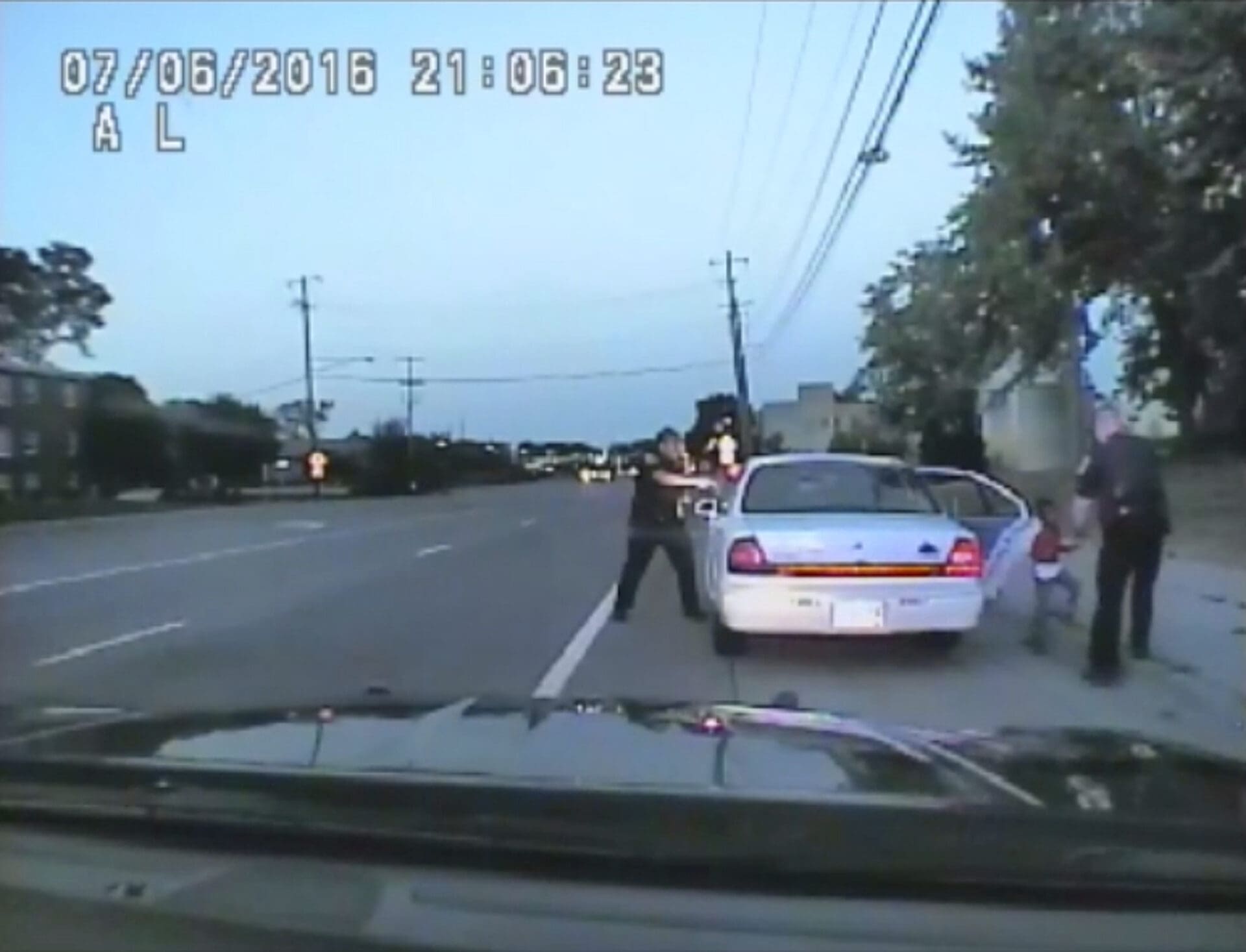
The marijuana that alarmed [Officer Jeronimo] Yanez also figured in public comments about the [Philando Castile] shooting by Dana Loesch, a conservative radio host who at the time was a spokeswoman for the National Rifle Association (NRA). Castile’s death seemed to be a clear case of an innocent man who was killed for exercising his Second Amendment rights. But the NRA, which initially called the incident “troubling,” never took a position on whether the shooting was justified. Several journalists thought they had an explanation for the NRA’s reticence when Loesch brought up Castile’s marijuana use, which made it illegal for him to own a gun, let alone carry one in public.
Loesch rejected that interpretation of her comments. But it seemed plausible in light of the NRA’s longstanding support for the federal bans on gun possession by illegal drug users and people convicted of drug-related felonies. The organization’s enthusiasm for enforcing those restrictions illustrates a blind spot shared by many right-leaning critics of gun control, whose concerns about overcriminalization, law enforcement abuses, and violations of civil liberties usually do not extend to the war on drugs.
That inconsistency is the mirror image of attitudes among progressives, who readily recognize the injustice and racially disparate impact of drug laws while enthusiastically supporting gun laws with strikingly similar historical roots and contemporary consequences. In addition to overlooking their potential common ground, both sides tend to miss the perverse interaction between the twin crusades against guns and drugs, which combine to inflict double damage on people like Castile. …
Republicans are much less inclined to support drug policy reform than Democrats. According to a 2022 Gallup survey, 51 percent of Republicans think marijuana should be legal, compared to 81 percent of Democrats. Partisan differences on gun control are even starker: While 86 percent of Democrats favor stricter regulation, just 27 percent of Republicans do.
Although Democrats overwhelmingly see the folly of banning marijuana, they are much more optimistic about the government’s ability to protect public safety by limiting gun sales and possession. Republicans, by contrast, are far more likely to support marijuana prohibition than they are to support new gun restrictions.
It nevertheless seems clear that the ongoing de-escalation of the war on weed, including recreational legalization in more than 20 states so far, has made an impression on Republicans, who are more than twice as likely to support legalization as they were at the turn of the century. Even among self-described conservatives, nearly half want to end pot prohibition, according to Gallup. Support for legalization rises to 59 percent among conservatives in their 30s or 40s, then rises to 65 percent among conservatives in their teens or 20s.
This is the context in which prominent conservatives such as [former NRA president David] Keene, [Gov. Ron] DeSantis, and [Rep. Alex] Mooney publicly criticized the federal ban on gun possession by cannabis consumers. It is also the context in which the NRA, after decades of silence on the issue, was willing to agree with them. Such objections, while modest in themselves, could open the door to a broader recognition that drug control, like gun control, is a menace to civil liberties.
— Jacob Sullum in The Drug Exception to the Second Amendment