By Thundervoice
I started cowboy action shooting about six years ago. A year into it, I wrote this piece on my first year. In the five years since, I’ve managed to improve significantly. I’m still chasing after the elite competitors, but I’ve gotten to the point where I’ve been described as a good shooter. Nonetheless, I continue to learn from others and from my mistakes.
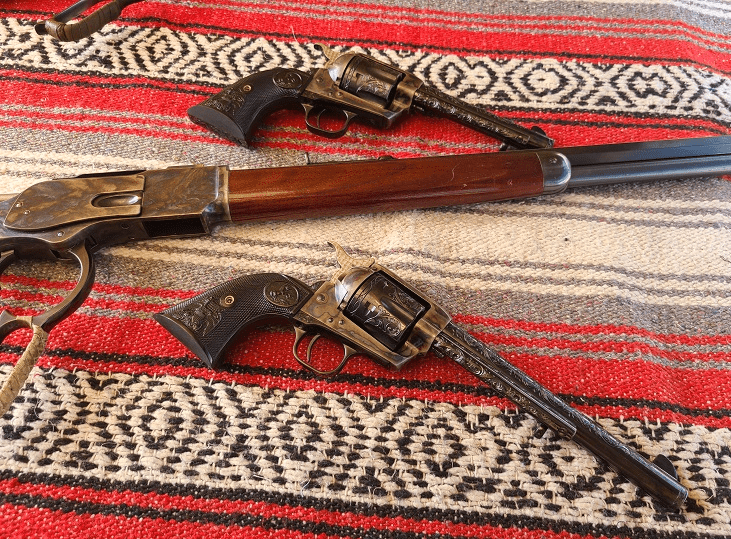
For those who don’t want to go back and read that earlier piece, cowboy action shooting is a 4-gun competition: a shotgun, a rifle, and two pistols. All of them must represent a type of gun available during the Old West era. I shoot an SKB Model 200E side-by-side, a Cimarron Model 1873 Winchester rifle, and two Cimarron Model P pistols (Model 1873 SAA clones). All have been slicked up to shoot faster. The shotgun is 12 gauge and the rifle/pistols are .357 Magnum but I shoot .38 Specials in them.
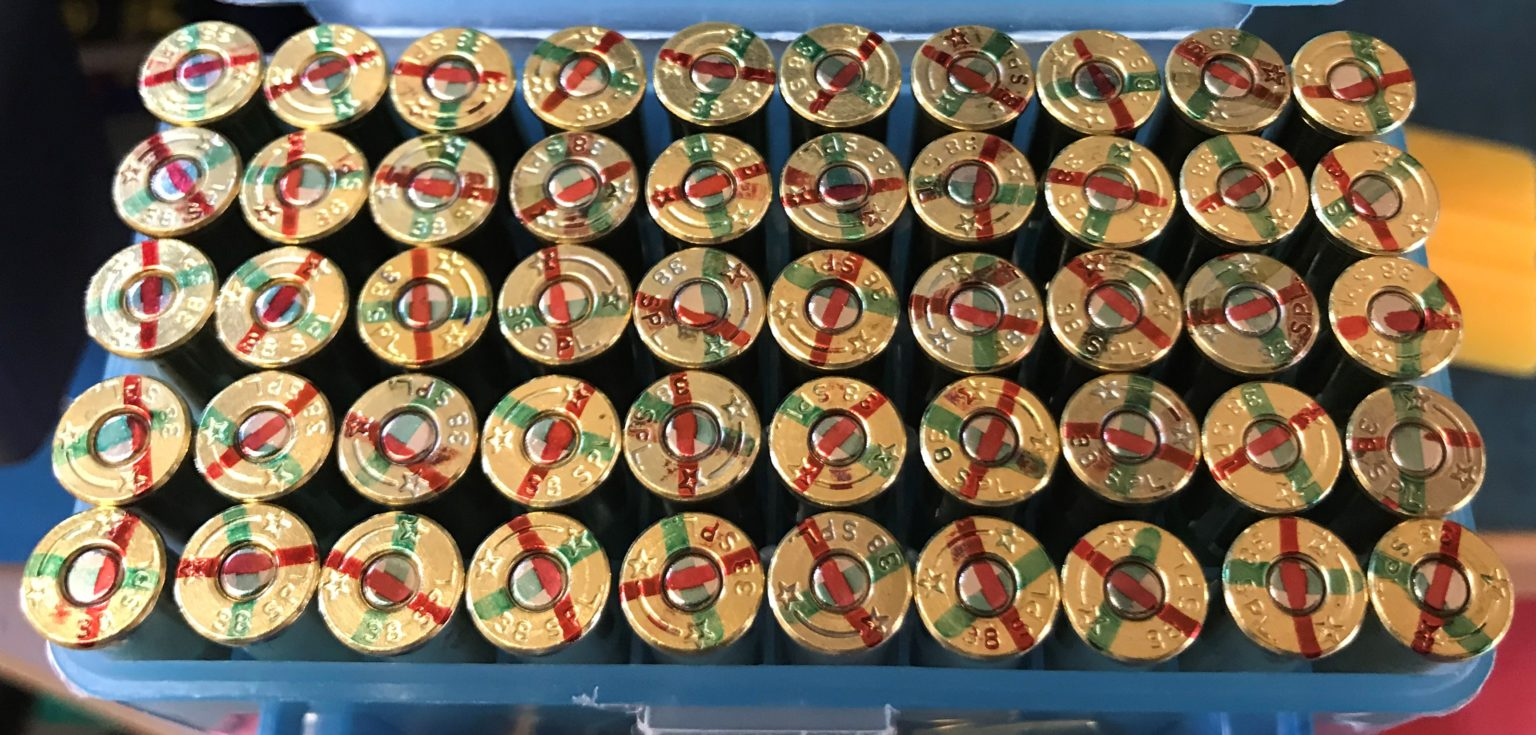
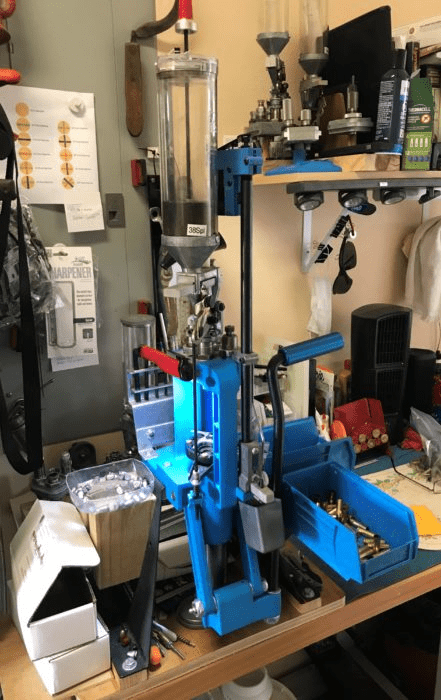
I reload all of my ammunition so that I can shoot light loads with little recoil.
A match may have anywhere from five to twelve stages depending on the time of year and whether it is a club or major match. A typical stage involves a cowboy bringing his or her guns from the loading table to the firing line. When ready, he/she says a start line and then the timer beeps.
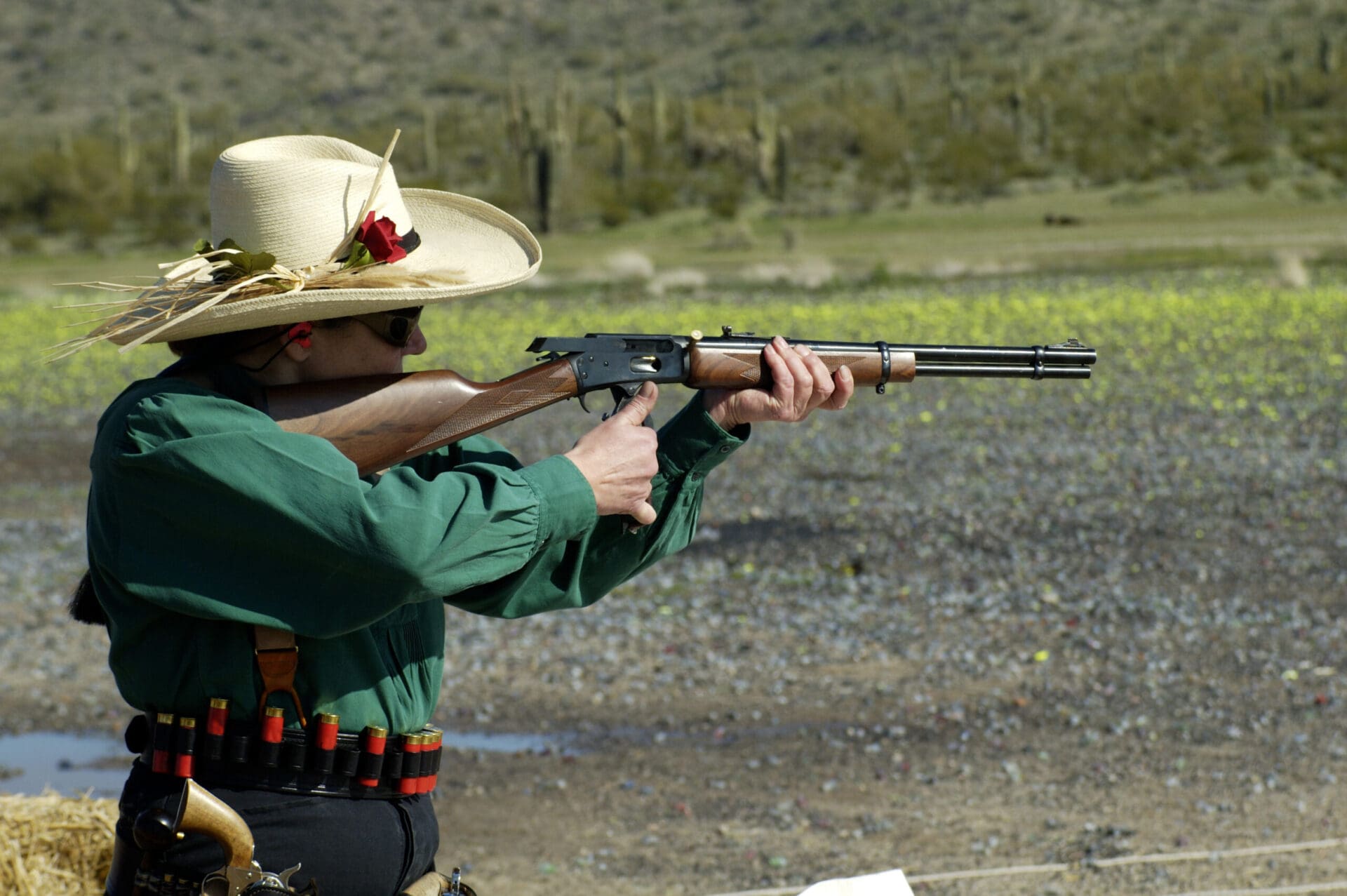
Depending on how the stage instructions are written, the cowboy will shoot the shotgun at steel knockdown targets, shooting as many rounds as needed to knock them down. The rifle is shot at steel plates. There may be anywhere from one to five of them and they have to be shot in a specific order.
The two pistols are shot at pistol targets that are closer than the rifle targets, typically using the same sequence as with the rifle targets. When they finish the stage, the cowboy goes to the unloading table where another cowboy verifies that the guns are all empty.
One of the things I’ve learned is the importance of checklists in make sure I’m prepared when I step up to the firing line. Notice I used the plural form of ‘checklist.’ I have several. When you’re standing there waiting to say your start line, you don’t want that line to be “Wait, I forgot something.” Here’s how I do that.
Home Prep Checklist
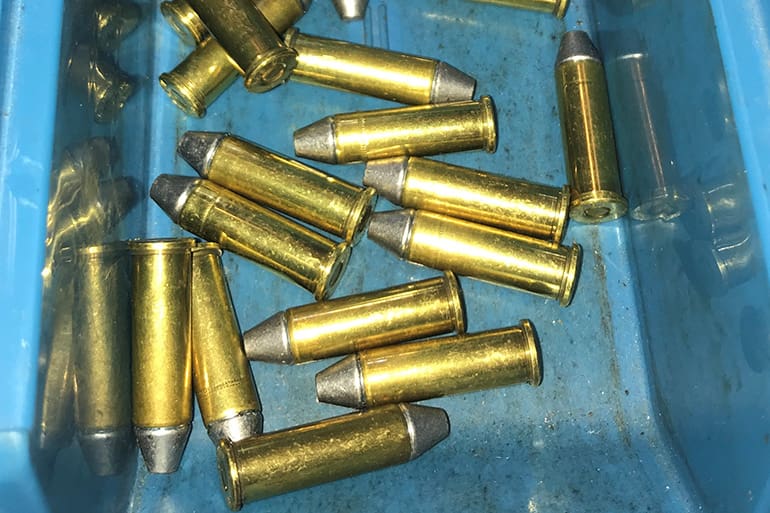
I start thinking about getting organized for a match a few days ahead of time. The first thing I do is make sure I have enough ammo for the match. I have to do this early enough to give me time to reload more if I’m short. If it is a major match, I’ll want to use new or once-fired brass whereas I’ll use old brass for club matches.
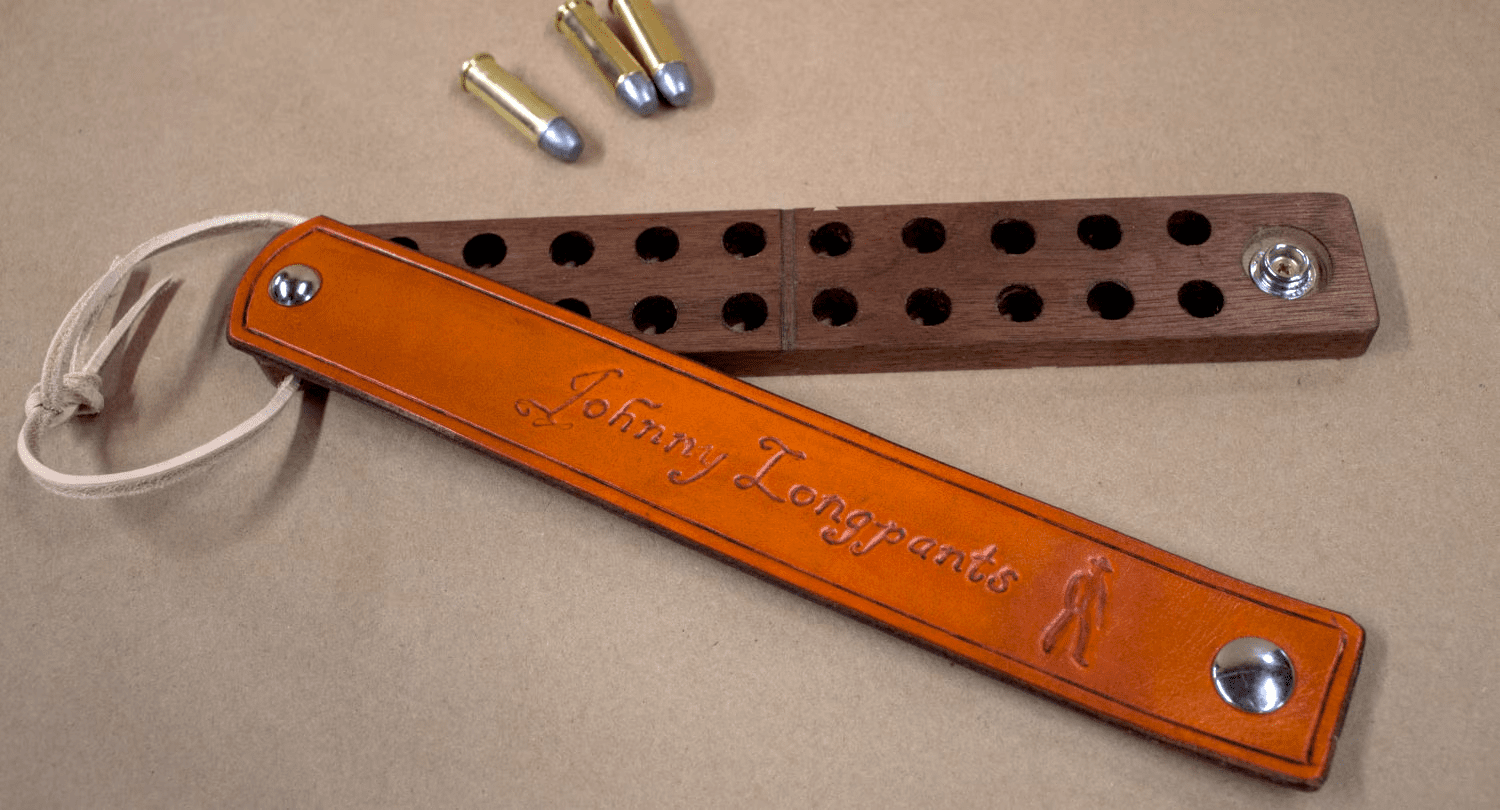
I’ll also fill my loading sticks with the ammo I want to use for the match. A loading stick is a piece of wood that has holes for the rifle and pistol ammo used on one stage. Mine has a leather cover, but others use a swinging wood cover.
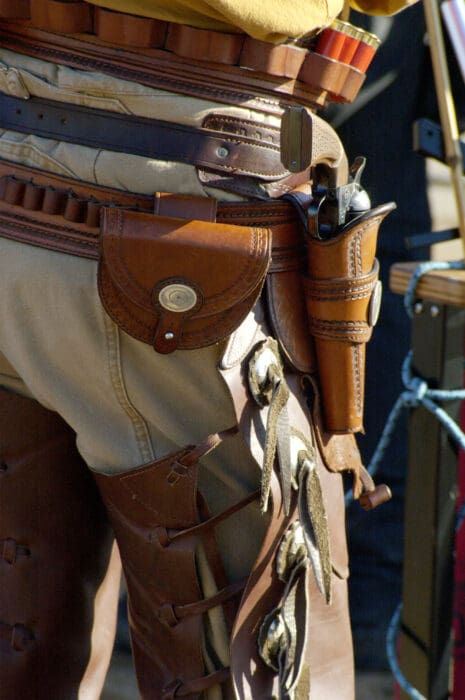
Once I’m in good shape for ammo, I check to make sure that the clothes I want to wear are clean and ready to go. You have to dress the part if you want to be a cowboy shooter. Since I keep the rest of my gear together, I don’t have to do much else early in the week.
Packing Checklist
On the night before I leave for a match, I pull out all the gear I’m going to take except for my guns and put it all where it’ll be easy to load the next morning. Guns stay in the safe until I pack to leave.
Arrival Checklist
When I arrive at the match, I pull out my gun cart and start to load it up with my gear. But I don’t load everything I brought. How much I unload depends upon what type of match it is and how far my vehicle is from the stages.
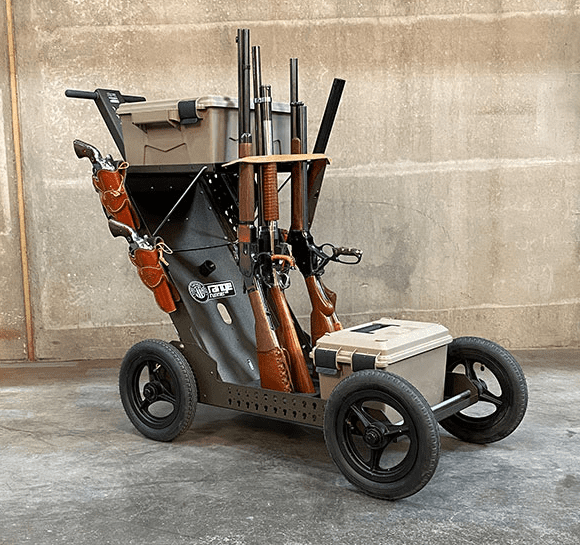
For our club matches, our parking is close to the stages. If I need something, I can easily grab it from my vehicle during a stage. But at a major match that may have 200+ shooters, your vehicle may be a 15-20 minute walk from the stages. So there is no single checklist that applies to all conditions. That makes it easy to leave something you need in the vehicle. Like when I left my gun holster in my vehicle a couple of weeks ago at a club match.
A few things to think about:
- Do you have all your guns? For a club match, I usually only grab the four guns I’m planning to use that day. But if it is a major match, I’ll also grab all of my backup guns and put them in the cart as well.
- Do you have all your ammo and extra in case you get one or more reshoots? As someone once told me, the only time you can have too much ammo is when you are swimming.
- Do you have your gun leather?
- Do you have weather appropriate outer gear (cold weather and/or rain gear), including a cover for your gun cart? This requires you to have some sense of what the weather might be during the next 4-5 hours.
- Do you have your gun cleaning equipment? I talk about this gear later in my Unloading Checklist section.
- Does your gun cart have bags for empty brass and hulls?
- Do you have water and snacks?
Preloading Checklist
At some point during stage, I go to my cart to get my guns and stuff to take to the loading table so I can shoot the course of fire. Before I leave my gun cart, I do a mention eight point checklist. I want to make sure I have all of the following: shotgun ammo on my belt, loading stick with rifle and pistol ammo, both of my pistols, both of my long guns, reload ammo on my belt in case I jack a rifle round (or need to do a reload as required by the stage), and hand treatment.
The hand treatment varies based on weather. Sometimes, I grab a rosin bag (the same type a baseball pitcher uses) and sometimes I use a tack rag (similar to what a baseball hitter uses). If my hands are especially clammy, I may even use the tack rag on my pistol grips before I leave the cart. Once I’ve gone through that list, I’m ready to head to the loading table to prepare to shoot the stage.
Loaded Checklist
After my guns are loaded, I have a mental 1-2-3 checklist.
#1: I check to make sure the hammer is down on my rifle. It’s a stage DQ if I set my rifle down on the firing line with the hammer cocked.
#2: I check to make sure the loading gate is closed. If the last round loaded isn’t fully inserted, the loading gate won’t close all the way and your carrier won’t go up and down, meaning you can’t shoot the rifle until you close the gate.
#3: I close and open my shotgun a couple of times. This makes sure that the shotgun is cocked when I insert shells while on the clock.
Sequence Checklist
This is a one item checklist and I go through multiple times. The concept is to practice the stage in your own mind several times. In cowboy shooting, gun order and target sequences are different on every stage. I try to go through the stage at my cart before I grab my guns.
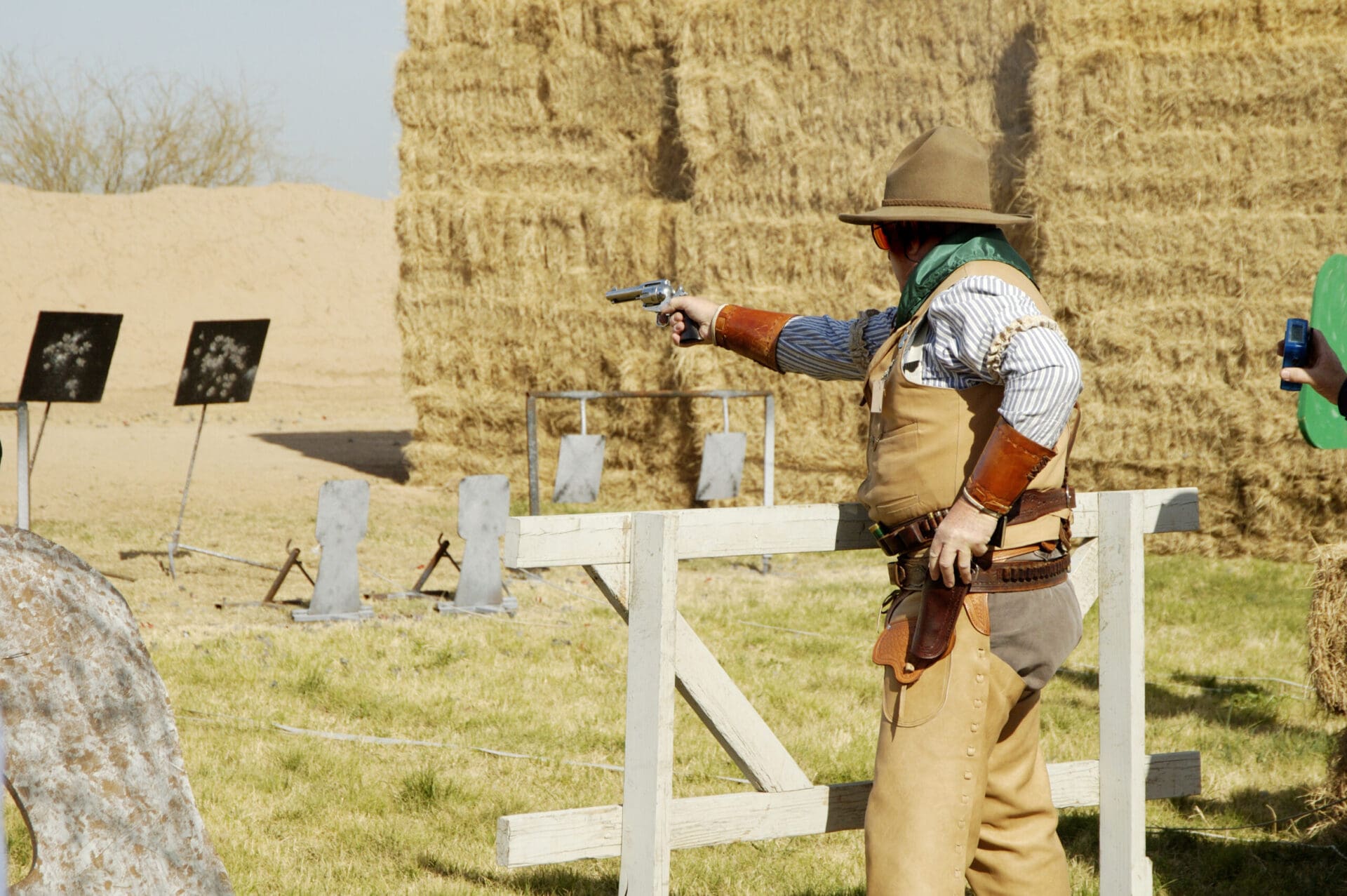
I go through it again while waiting in line at the loading table. Then I go through it again after I load my guns while waiting to be called to the firing line.
If I can see all the targets, I do the practice with my eyes open. I close them if I can’t see all the targets and do it in my mind. This checklist item is very important. I can’t tell you how many times I’ve seen the timer beep and then the cowboy does into brain lock, forgetting the stage sequence.
Unloading Checklist
After confirming I’m clear at the unloading table, I go back to my gun cart for the checklist that prepares me for the next stage. After putting my guns in the cart, I empty my brass and empty the loading stick into the brass bag. Mine is a big mesh bag attached to the cart.
I use a refrigerator coil brush to clean my shotgun chambers. Then I run a bore cleaning mop through the barrels to clean them out. It’s critical to clean the chambers after each stage to make it easier to shuck the shells after you shoot them.
Every two or three stages, I put some Ballistol on a chamber cleaning swab and clean out the rifle chamber. Because we use such low powder loads in cowboy shooting, there’s a lot of carbon deposits. I take the shotgun rounds I didn’t use and put them in a tray and I take enough shells for the next stage out of a box to run them through a gauge to make sure they will shuck easy.
Going Home Checklist
When you are ready to go home at the end of the day or the end of a match, make sure you’ve packed all your stuff into your vehicle. This is easy if you’ve kept all your stuff on your cart for the match. But if you like to put your guns in the gun rack for the next match or if you’ve loaned a gun to another cowboy to try out, it’s easy to forget.
As a final note, I have to say that I enjoy cowboy shooting and the associated people more than any other type of shooting competition I’ve been involved in. If you want to know more about specific aspects of cowboy shooting, put it in the comments and I’ll try to addressing some of them.